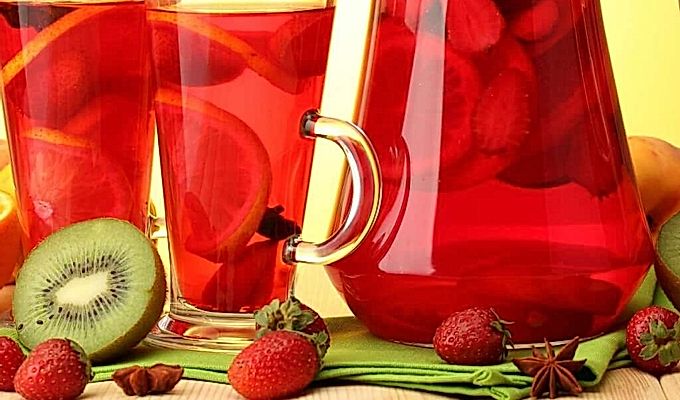
 Compote (from the Latin componere "to make up") - a decoction of dried or fresh berries, fruits [1] prunes, raisins, dried pears, apples.
Compote is a traditional drink in Eastern Europe. Its safety is ensured by sterilization. The taste and usefulness of the compote depend on the way it is prepared. The washed fruits and berries can be cooked (cook for 10 minutes) or pour boiling water over and leave for 8-10 hours. In the second case, they preserve the natural taste and useful components as much as possible.
Types of compote
Maceduan is a cocktail of blanched or fresh fruit poured over with berry syrup. To improve the taste and give a degree, liqueur or cognac is added to the drink. According to the original French recipe of the 18th century, ice cream is placed in the Maceduan.
- Types of compote
- Cooking technology
- What is the use
- What is the danger
- Preservation of compotes
- Frequently asked Questions
- Interesting recipes
- Conclusion
A distinctive feature of this drink is the content of fruits of only one season (autumn, summer, spring or winter). In addition, they must be peeled, seeds, pitted and cut to the same size, corresponding to the dimensions of the smallest berry. Dense fruits are pre-cooked in sugar syrup, and very juicy and tender (citrus fruits, watermelon, pineapple, grapes, melon) are added fresh.
Maceduan is served chilled.
Compote is a fruity, non-alcoholic, refreshing drink made from frozen, dried, canned or fresh edible berries and fruits.
Uzvar, in fact, is the same compote in which thick dried fruits predominate. Instead of sugar, honey is put into the uzvar, and the raw materials are infused or brought to a boil ("brewed").
Canned compote are sterilized liquid fruit desserts for long-term storage.
Cooking technology
Compote can be made in different ways. Most often, fruits are cooked in sugar syrup, the concentration of which affects the sweetness of the drink. For the preparation of compote, the ingredients are selected, observing the following proportions: for 1 liter of water there are 300-400 g of fruit and up to 300 g of sugar. The more acidic the berries (for example, cherries), the more the uzvar will sweeten.
 Method of preparation: sugar water, bring to a boil, lay peeled and pre-cut fruits and berries, cook for 10 minutes. In order to enrich the taste, spices are introduced into the drink: cloves, vanilla, citrus zest, cinnamon sticks. After that, the uzvar is covered with a lid and insisted for 2 hours so that it absorbs the smell and taste of fruits and spices.
In the case of compote preparation from frozen fruits, they are not previously thawed. Remember: more than 80% of tocopherol, 85% of thiamine, 90% of ascorbic acid and 98% of folic acid are destroyed in 15 minutes of cooking. The result is a delicious drink, but absolutely useless. To preserve vitamins, put fruits in boiling water. And in the case of preparing a compote from dried fruits, pre-soak the raw materials in the evening, in the morning bring the resulting infusion to 90 degrees, insist until it cools completely. An uzvar prepared in this way will lose only 40% of its vitamins.
What is the use
The properties of the compote are determined by the chemical composition of the ingredients - berries, fruits, dried fruits.
The use of the Uzvar depends on the components included in it:
 Dried fruit compote increases the efficiency of the body, therefore it is indicated for children and adults during seasonal depression and vitamin deficiency.
Dried apples and pears accelerate metabolism, reduce intracranial pressure [2]
It is recommended to include a decoction of dried fruits in the menu of patients as part of a complex therapeutic therapy for rheumatism, gastrointestinal diseases, gout, cystitis, colds [3]
Compote is an ideal drink for people who are losing weight. It supplies the body with organic acids, dietary fiber, vitamin and mineral complex, astringent substances.
With regular use, the fruit broth normalizes metabolism, strengthens the immune system, stimulates intestinal motility, removes decay products, and supports the vital activity of normal microflora [4]
What is the danger
The harm of compote depends on the concentration of sugar, the ingredient composition and the volume of consumption.
Too sweet drink has a high calorie content, which can reach 98 kcal per 100 ml and pose a danger to people suffering from diabetes and obesity [5]
The harm of compote lies in the abundance of active substances in it. The predominance of sour berries in the broth can cause stomach discomfort in people with gastrointestinal diseases. Red currants, cherries, cranberries, gooseberries and blackberries are contraindicated for liver dysfunction, inflammation of the mucous membrane of the digestive tract (gastritis, ulcers, colitis, duodenitis). These fruits contain dietary fiber and aggressive organic acids, which provoke a severe attack of pain, increased secretion of hydrochloric acid, stomach cramps, and diarrhea. As a result, they can transfer the chronic form of the disease into the acute phase.
Sour compote is contraindicated for people with high acidity of the stomach, as it causes colic, heartburn and painful sensations in the epigastric region.
The benefits of compote depend on the soil and climatic conditions for the growth of fruits, berries and fruits. If the components of the uzvar are grown with the use of preservatives, toxic chemicals in an environmentally unsafe area near industrial plants, busy highways and roads, they pose a danger to human health. Accordingly, a decoction from these fruits will not benefit the body, but, on the contrary, will harm and can cause poisoning.
 A decoction of fruits is introduced into the diet of children in moderation (starting from 30 ml), observing the reaction of the baby's body. In the event of an allergy, the child is given first aid, if necessary, they are given antihistamines as prescribed by the doctor. In this case, the compote is excluded from the menu. In the absence of side effects, the dose of the consumed drink is adjusted to 150-200 ml per dose.
Preservation of compotes
This is the easiest way to prepare fruit drinks for the winter. For the preservation of the compote, fresh, only harvested, well-washed berries are used, otherwise the sealed jars may "explode". Large fruits (apples, pears) are peeled and cut. The seeds are extracted from the fruit.
Compotes are canned from one type of berries or an assortment is prepared from sweet and sour fruits: currants, apricots, cherries, cherries, plums, strawberries. Pasteurization is carried out in a saucepan.
The principle of preserving compote:
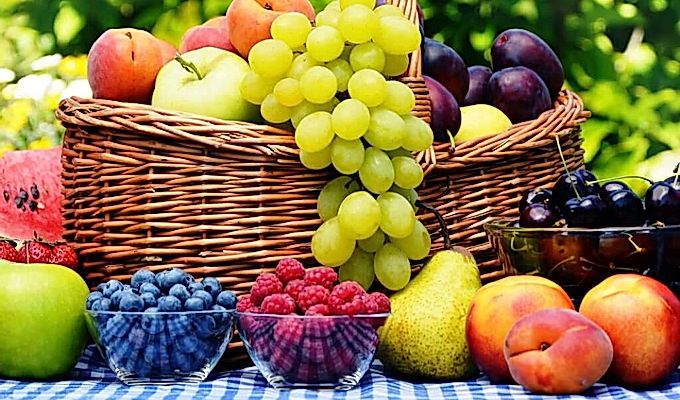 The amount of fruit depends on individual preference. For lovers of the thick, the jar is filled with ¾ berries. Those wishing to enjoy the taste of the drink - on ¼.
Secrets of delicious compote [6]
Remember, homemade compote made from fruits, dried fruits or berries is much healthier than store drinks [7]
It is interesting that the sugar content in dried fruits is 2-5 times higher than in fresh fruits, so a decoction based on them is not recommended for overweight people and diabetics.
Frequently asked Questions
"Is it possible to drink compote on the Ducan diet?"
Yes, but not right away. A decoction of fruits can be introduced into the diet of those who are losing weight at the final stage - Consolidation. At the same time, during the "Attack" and "Cruise", you should refuse to use the Uzvar.
"Is compote with seeds a danger to human health?"
Fruit kernels contain hydrocyanic acid, which is a natural insecticide. This substance protects the plant from pests. It has a low density, high volatility and a highly toxic component. In the bones, hydrocyanic acid is in the composition of glycosides and does not pose a danger to human health. However, in the event of a violation of the integrity of the nuclei, chemical reactions occur that contribute to the release of hydrocyanic acid. It has a negative effect on the human body: it inhibits tissue respiration, leads to an energy deficit, which causes the brain and central nervous system to suffer.
- Coronaviruses: SARS-CoV-2 (COVID-19)
- Antibiotics for the prevention and treatment of COVID-19: how effective are
- The most common "office" diseases
- Does vodka kill coronavirus
- How to stay alive on our roads?
The action of the poison leads to a lack of "nutrition", as a result of which the structure of nerve cells undergoes changes, the release of blood cells from the spleen is stimulated, and the enzyme system is inhibited. Thus, compote is allowed to be cooked from fruits with seeds, but they must be complete, without damage. Otherwise, instead of a healthy drink, you can get a poison that gradually kills the body.
"How much is compote stored?"
In order to avoid the accumulation of cyanides, the shelf life of a canned fruit drink does not exceed 1-2 years, and a freshly brewed one - 3 days.
"What spices can you put in compote?"
Cloves, citric acid, allspice, cinnamon [8]
"What is the healthiest compote?"
The greatest value for the human body is provided by an uzvar made from fresh berries, fruits, without sugar. To preserve nutrients, do not expose the fruits to strong heat treatment. The duration of their preparation should not exceed 10 minutes.
"What fruit to cook compote from?"
- to increase efficiency, normalize the work of the stomach and intestines, reduce weight - prunes and dried apricots;
- to improve metabolism, lower blood pressure, eliminate depression and stress - pear and apple;
- to strengthen blood vessels, prevent the appearance of edema, improve the condition of patients suffering from heart failure - raisins;
- to raise mood, improve the work of the endocrine system, restore thyroid function and improve memory - figs;
- to fight gout, rheumatism - dried peaches;
- to support the body suffering from overwork, fatigue and depression - dried bananas;
- to increase the level of hemoglobin and improve blood clotting - dried cherries [9]
- for the prevention of viral infections, strengthening the immune system - dried strawberries.
Interesting recipes
"Orange compote"
 Ingredients:
- apples - 750 g;
- oranges - 750 g;
- water - 1 l;
- sugar - 300 ml;
- white wine - 100 ml.
Cooking principle: peel the oranges, remove the core from the apples. Cut the fruits into slices, 0.5 cm thick, arrange in vases. Mix water with sugar, heat until it is completely dissolved, add wine. Pour the fruit over with sweet syrup.
"Beetroot compote"
Ingredients:
- sugar - 250 g;
- beets - 1 kg;
- lemon juice and zest;
- cloves, cinnamon.
Cooking technology: wash the beets, peel, cut. Pour spices, sugar and vegetable pieces into boiling water. Cook over low heat until the beets are tender. After removing the pan from the heat, add lemon juice to taste.
"Compote assorted"
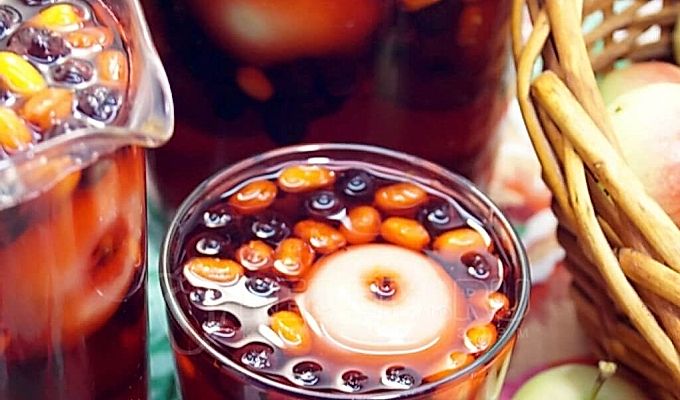 Ingredients:
- plums - 500 g;
- cherry - 50 g;
- sugar - 500 g;
- peaches - 4 pcs;
- water - 5 l;
- black currant - 300 g;
- cherry - 50 g.
Cooking principle:
- wash and chop fruits (remove seeds from plums and peaches);
- boil water;
- add cherries, cherries, currants, plums and peaches, cook for 7 minutes;
- remove the pan from heat, cover, leave until cooled.
Any fruit can be added to the assorted compote. The main thing is to combine sour and sweet tastes, not to subject the berries to prolonged heat treatment. A combination of apples, pears, cherries, apricots, gooseberries, plums and currants is encouraged.
"Dried fruits compote"
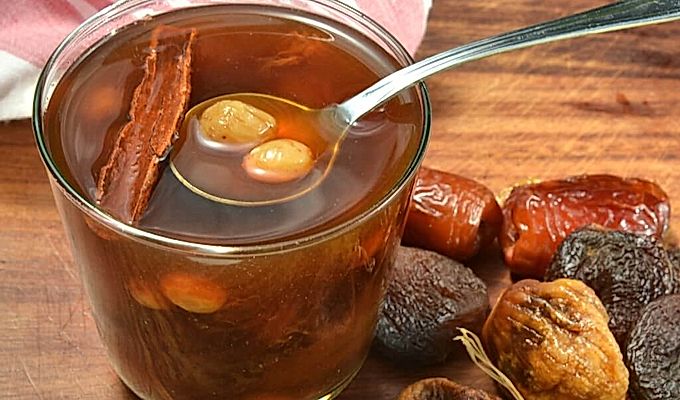 Ingredients:
- water - 1.5 l;
- dried fruits - 500 g;
- citric acid - 2 g;
- sugar - 200 g
Cooking sequence:
- dried apricots, raisins, dried apples, pears and cherries sort through (remove spoiled fruits), rinse under warm water;
- pour boiling water, add sugar, cook for 20 minutes until soft;
- acidify the compote with citric acid, leave to infuse until the next day, drink chilled.
It is recommended to prepare dried fruit compote in winter, when there are no fresh seasonal fruits and berries. They eat the bulk of the drink, it turns out to be no less tasty than the drink itself. The sweetness of the uzvar depends on the ripeness of the dried fruit. If they are harvested ripe, the compote turns out to be sugar-free without any additives. In other cases, it is recommended to add bee honey.
For a variety of flavoring bouquet and aroma, dried cranberries, dogwood, and prunes are put into the uzvar. At the same time, bananas, pomegranates, persimmons will not work at all.
Conclusion
Compote is a healthy homemade fruit infusion that serves as a great alternative to powdered drinks and sodas. It has refreshing properties, copes well with thirst, saturates the body with vitamins A, C, PP, B1, B2, B6 and minerals (iron, phosphorus, sodium, zinc, potassium) [10]
Despite the beneficial properties, compote is contraindicated for ulcers, gastritis, obesity, allergies to ingredients, diabetes mellitus and pancreatitis.
A decoction of dried fruits strengthens the immune system, improves the functioning of the digestive system, supports the body in the autumn-winter period, when the deficiency of vitamins and microelements is acutely felt. To prepare a healthy drink, it is recommended to use fruits grown without the use of chemical fertilizers.
Things to know (Q&A)
What makes a compote?
Compote is a simple fruit sauce made with pieces of fresh (or frozen) fruit and some sugar, cooked briefly on the stove . You could call the end result a textured fruit sauce or chunky fruit syrup. … Since it's liquid, you can easily add more to taste after cooking if your compote isn't quite sweet enough.
What's the difference between jam and compote?
Definitely jelly . Next up we have jam, which is made from chopped or pureed fruit (rather than fruit juice) cooked down with sugar. … Compote, a cousin to preserves, is made with fresh or dried fruit, cooked low and slow in a sugar syrup so that the fruit pieces stay somewhat intac
What is a compote used for?
Compotes are used for serving breads, mashed potatoes, salads, cookies, squares , and much more. They are popular as a centre piece to float candles in, to display freshly cut flowers from the garden, or for holiday decorations like tree ornaments or Easter eggs.
Is Apple compote the same as applesauce?
The main difference between these two are about the texture.
Applesauce is a puree whereas compote is chunky . Also, apples for applesauce are peeled for a smooth result while you can leave the skin on apples for compot
What is difference between compote and jam?
Next up we have jam, which is made from chopped or pureed fruit (rather than fruit juice) cooked down with sugar. … Compote, a cousin to preserves , is made with fresh or dried fruit, cooked low and slow in a sugar syrup so that the fruit pieces stay somewhat intact.
What goes in a compote dish?
This culinary dish originates before the 18 th century in France and it basically consist of a mixture of fruits with sugar syrup combined with items like nuts, cinnamon sticks, cloves and other items of the sort . Compote Dishes are usually found made of glass but can be made of porcelain and metal as well.
What is the difference between compote and stewed fruit?
At its simplest, a compote is a dish that has been made with fresh or dried fruit that has been slowly cooked or stewed —that's why compotes are also referred to as "stewed fruits." The fruit is typically cooked in a sugar syrup that can be laced with liquor and/or spices. Compotes are usually served chilled.
What does a compote look like?
A comport is often shaped like a big, flatter, bon bon dish , and they are also used for holding food. Sometimes comports can be quite flat, like a small, slightly rimmed plate situated on a pedestal base. A comport dish are a compote dish are often confused.
What is the difference between compote and jelly?
Jellies are firm, clear spreads made of fruit juice, pectin, sugar, and an acid. Wine, vegetables, herbs, teas, and flowers can be made into jelly. Compotes are made of whole fruit pieces, sugar, and, occasionally, spices like cinnamon, allspice, and cloves. Compotes have no pectin, making the liquid looser than jam
Whats the difference between jam and preserves?
Jam: Jam is made with mashed fruit. Preserves: Preserves have whole fruit or large pieces of fruit. Some fruits such as blackberries or raspberries will not stay whole during the processing so there may not be much difference between raspberry jam and raspberry preserv
What is similar to a compote?
Synonyms for Compote:
- caramel,
- brown sugar,
- Christmas Pudding,
- carob,
- banana split,
- apple pie,
- cake,
- choc-ice,
What is compote dish used for?
From this exploration, we can identify a compote dish as a vase/bon bon dish shaped dish on top of a based stem, occasionally with a lid, that is used to hold food such as fruit, nuts and sweets
When should you eat compote?
You should eat compotes shortly after making them . This short process allows chefs to use less sweetener than they might in fruit jam recipes because they do not need the preservative power of suga
What is a compote bowl?
1 : a dessert of fruit cooked in syrup . 2 : a bowl of glass, porcelain, or metal usually with a base and stem from which compotes, fruits, nuts, or sweets are served.
What goes in a compote bowl?
This culinary dish originates before the 18 th century in France and it basically consist of a mixture of fruits with sugar syrup combined with items like nuts, cinnamon sticks, cloves and other items of the sort . Compote Dishes are usually found made of glass but can be made of porcelain and metal as wel