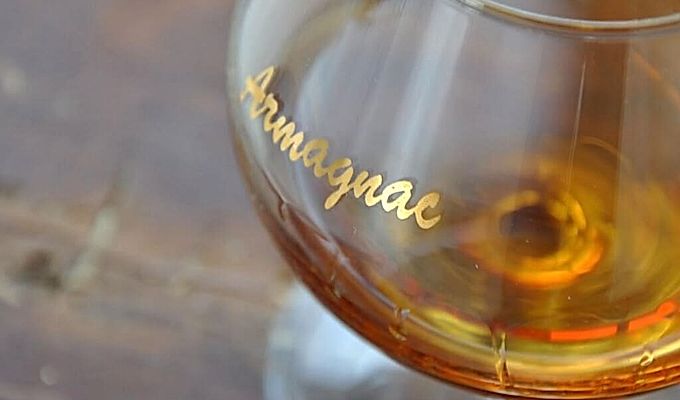
 The older brother of cognac is made in the province of Gascony in southwestern France. The first mention of this strong grape drink was recorded in the XIV century [1] grapes. The berries must undergo natural fermentation and mature in oak barrels. There is a special armagnac glass, but if there are no special glasses, use a traditional cognac glass. A drink made from grape alcohol should be slightly warmed up in your hand, then take the first sip.
The history of the drink
- The history of the drink
- Differences from cognac
- Varieties
- Compound
- The benefits of the drink
- Tasting rules
- Drink combination
- Cooking
- Contraindications
The French have a saying: “We gave cognac to the world, but we kept Armagnac for ourselves” [2]
The drink is known to have been popular since the Gallo-Roman era. Historians find confirmation of this in the form of mosaics, records and special glasses, which indicate the impressive age of the alcohol. The first mention of the drink dates back to 1348 [3] whiskey and 150 years earlier than cognac.
The trade and distribution of alcohol went on as usual, and in the twentieth century, the manufacture of Armagnac fell under the control of the state. France increased the turnover of its production, created several new varieties of alcohol, allocated additional land for growing the necessary varieties of grapes. The French took a responsible approach to regulating the process and created the National Interprofessional Bureau of Armagnac. The government agency oversaw the manufacture and transportation of Armagnac distillate. After such control and promotion, the drink received worldwide love and recognition.
Today Armagnac is an expensive alcoholic drink that testifies to a certain status and good taste.
Differences from cognac
Distillation process
- Coronaviruses: SARS-CoV-2 (COVID-19)
- Antibiotics for the prevention and treatment of COVID-19: how effective are
- The most common "office" diseases
- Does vodka kill coronavirus
- How to stay alive on our roads?
Armagnac goes through a single continuous distillation. Cognac is distilled twice, and the process itself takes place in several stages. During distillation, the saturation of the alcohol component is lost. That is why cognac is less bright, tart and alcoholic in comparison with Armagnac.
Excerpt
Local black oaks are used to age the drink. It is this tree that perfectly reveals the taste of Armagnac, does not allow it to "grow old", deteriorate or get an unusual texture of the taste palette. Aging in black oak barrels complements the flavor with notes of wild berries, nuts and pepper. For this, Armagnac is considered the most versatile and complex drink in the world.
Millesimity (the ripening year of the crop from which the drink is made)
On the bottles of Armagnac, the date, character, characteristics and weather conditions under which the crop was ripe are marked. Similar information is posted on wine.
Varieties
| Traditional varieties | Classification adopted since one999 |
|---|---|
| LeBas-Armagnac | Vieilarmagnac (aged up to 6 years) |
| L'Armagnac-Tenareze | Vintage (vintage, no blend) |
| Le Haute-Armagnac | Blanched'armagnac ("white armagnac", un aged grape spirit) |
| Millesim (a special expensive variety, the drink is made only from the best varieties of the crop) |
Compound
| Nutritional value (based on 100 grams of drink) | |
|---|---|
| Water | 66.6 g |
| Ethanol | 33.4 g |
| Inorganic substances | 0.01 g |
| Calorie content | 231 kcal |
| Energy | 967 kj |
| Mineral composition (in milligrams per 100 grams of drink) | |
|---|---|
| Iron | 0.04 |
| Phosphorus | 4 |
| Potassium | 2 |
| Sodium | 1 |
| Zinc | 0.04 |
| Copper | 0.021 |
| Manganese | 0.018 |
| Vitamin composition (in milligrams per 100 grams of product | |
|---|---|
| Thiamin (B1) | 0.006 |
| Riboflavin (B2) | 0.004 |
| Nicotinic acid (PP) | 0.012 |
| Pyridoxine (B6) | 0.001 |
The benefits of the drink
Fact: The strength of Armagnac varies from 55 to 60%.
 Our ancestors used Armagnac as a medicine. The French confessor Vital Dufour introduced information about the medicinal properties of this alcoholic drink in his works. Dufour identified about 40 positive effects that can be achieved with the use of Armagnac:
- youth;
- clear and rational thinking;
- relief from pain;
- facilitating the course of many diseases;
- disinfection and early regeneration of injuries, wounds and cuts.
Such effects are not the invention of the confessor, who, perhaps, loved to become addicted to the drink. The medicinal effect of alcohol has been proven by scientists. Thanks to woody and grape tannins, Armagnac regulates the level of platelets in the blood, reduces the risk of developing cardiovascular pathologies [4] [5] antioxidant, protects the body from free radicals, strengthens the immune system and disinfects from the inside.
Tasting rules
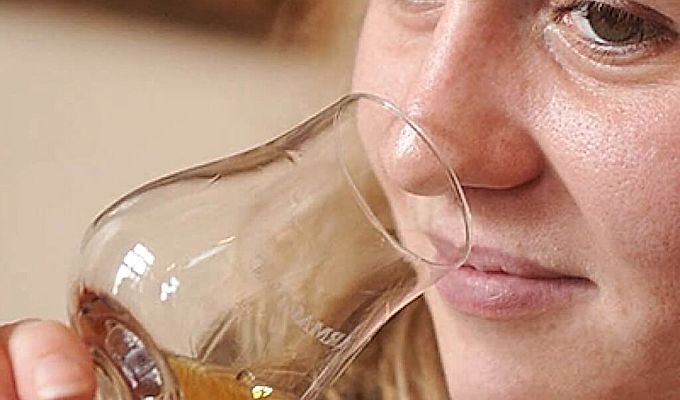
The drink is drunk from special dishes for Armagnac or from traditional cognac glasses [6]
Tasting scheme:
Remember: Armagnac completes the meal (digestif).
Drink combination
Excellent alcoholic drinks are combined with traditional dishes of Gascon cuisine:
- foie gras;
- classic sauces;
- flambé (foods cooked under natural fire conditions);
- Gascon desserts from Armagnac.
 The French took the trouble to make the drink go with their most favorite and common dishes [7]
- smoked salmon;
- chocolate;
- high-quality coffee (should have a softening effect on an alcoholic beverage);
- fruit [8]
Armagnac, unlike cognac, goes well with a cigar. It sets off and softens the bitter aftertaste of the drink, so you can summarize the results of the tasting accompanied by languid cigar smoke.
Cooking
Armagnac can be used in place of cognac in any recipe. The drinks are very similar in texture, but differ significantly in taste. Armagnac is characterized by continuous single distillation, which makes the taste more alcoholic and rich. For this reason, you need to carefully add Armagnac to the dish so as not to overdo it with the taste and scent of alcohol. Grape alcohol will complement the taste of the dish, make it especially tart and tender. Armagnac is used for:
- impregnation of desserts;
- creating creams;
- meat dishes;
- fish dishes;
- seafood;
- cooking pates and other offal dishes;
- vegetable salads;
- cheese plates.
Recipe for chicken pâté with armagnac
| Nutritional value (based on 100 grams of finished pate) | |||
|---|---|---|---|
| Calorie content | Squirrels | Fats | Carbohydrates |
| 603 kcal | 22.5 g | 53.8 g | 4.5 g |
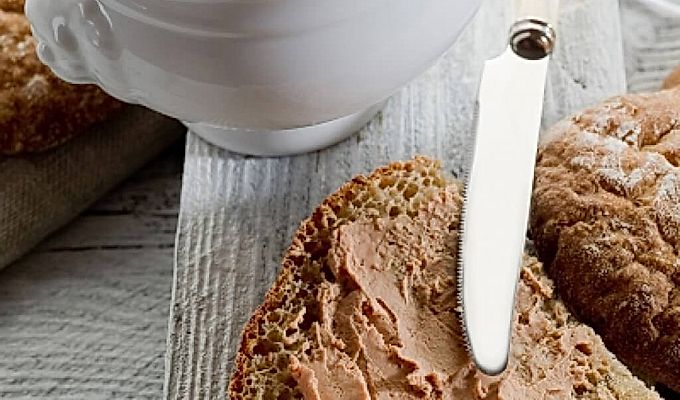 We need:
- chicken liver - 450 g;
- butter - 200 g;
- cream (40%) - 50 ml;
- armagnac - 2 tablespoons;
- ground black pepper to taste;
- coarse salt to taste;
- cranberries to taste;
- freshly made toasts from your favorite bread.
Preparation
Take a deep frying pan and heat the butter in it over medium heat. After the butter has melted, fry the chicken liver. The frying time should not exceed 3-4 minutes. The offal will have time to fry on the outside, and pink tender pulp will remain inside. Grind the liver in a blender until smooth and smooth. Add butter, cream to the liver mass, and beat again with a blender. Add Armagnac, salt, pepper, your favorite spices to your taste. Take molds from any material (even silicone muffin molds are suitable), carefully transfer the resulting pate, cover with foil and send to the refrigerator for several hours. Serve the cranberry-garnished pate with fresh toast and garnish.
Recipe for prune sherbet with armagnac
| Nutritional value (based on 100 grams of finished sherbet) | |||
|---|---|---|---|
| Calorie content | Squirrels | Fats | Carbohydrates |
| 197 kcal | 0.7 g | 0.2 g | 34.1 g |
We will need:
- prunes (pre-pitted) - 200 g;
- Armagnac - 1 glass;
- coconut sugar - ¾ cup;
- purified water - 2 glasses;
- orange juice - ½ cup.
Preparation
Take a small container, mix prunes with Armagnac, leave to "infuse" for a day at room temperature. In a separate container, mix sugar, water, put on fire and bring the mixture to a boil. Stir the mixture constantly until the sugar is completely dissolved. After the crystals dissolve, reduce heat and simmer the resulting syrup for 2-3 minutes. Take the bowl of a blender and combine the sugar syrup and soaked prunes in it. Grind the ingredients until mushy. The consistency of the mass depends on your taste preferences. If you want to feel the prune slices in the sorbet, then leave the mixture in puree and leave a few whole slices. Add orange juice, some cold water to the resulting mixture, mix the ingredients and pass the mixture through a sieve.
 Send the resulting dessert to the refrigerator for 1-2 hours until it hardens completely. It is recommended that you transfer the mixture to a plastic container and send it to the freezer to get the taste and consistency of real sherbet.
Contraindications
Armagnac, like any alcoholic drink, is contraindicated in large quantities. Alcohol can not only ruin the evening, but also lead to irreversible consequences for the body. Alcohol temporarily "takes out of the game" the central nervous system (therefore, people who drink are maximally talkative and minimally adequate), the liver, impairs blood circulation.
Direct contraindications to the abuse of Armagnac are firmly in our heads thanks to mass advertising. Adolescents, pregnant and lactating women, diabetics, people with pathologies of the gastrointestinal tract, cardiovascular system, patients of oncology and rehabilitation centers - all of them are at risk.
Remember: health is much more important and more pleasant than temporary pleasure. If you are not at risk, then allow yourself to spend a good evening with friends and a strong grape drink, but do not lose your head.
A relatively harmless dose for the body does not exceed 30 grams [9]