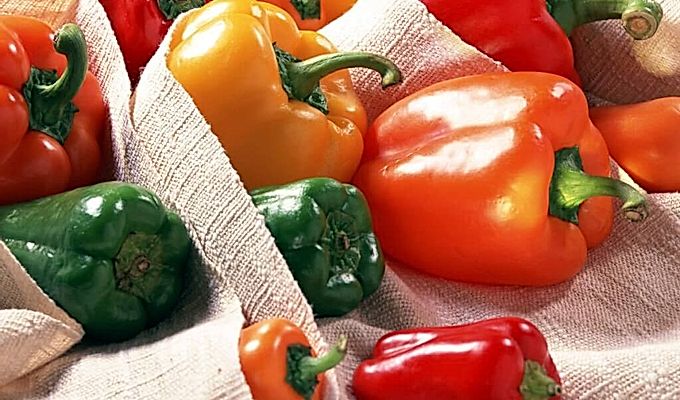
 Many people like juicy crunchy pods of sweet pepper, which is called Bulgarian in the post-Soviet space. Do you think because the homeland of this vegetable is Bulgaria? Not at all! And by the way, from the point of view of biology, bell peppers are not a vegetable at all. Do you know what is the difference between yellow, red and green pepper? If not, then we are ready to reveal all the secrets and paradoxes of this plant. Believe me, it is much more interesting and useful than we used to think.
General characteristics
Sweet (or capsicum) peppers are a plant in the nightshade family, which also includes tomatoes, eggplants, and potatoes. Despite the fact that in everyday life everyone is used to calling the fruits of pepper vegetables, in fact, they are not. From a botanical point of view, bell peppers are fruits, but for convenience, we will still call them vegetables.
- general characteristics
- What is the Difference Between Red, Yellow and Green
- Chemical composition and nutritional characteristics
- Health benefits
- Benefits for hair, skin and nails
- Possible side effects
- How to choose and store correctly
- What to cook with sweet pepper
Sweet pepper differs from spicy varieties (chili, black, cayenne) primarily in its shape: it has a fleshy and crunchy pod with a delicate taste. Compared to the spicy varieties, the level of "burning" in the Bulgarian fruit is kept within zero. For this reason, bell peppers are used as a vegetable in the kitchen, while hot peppers are considered a spice. And all because in sweet pepper there is practically no substance capsaicin, which, in fact, gives a pungent taste to the fruit [1]
All peppers, including sweet ones, come from Mexico and other regions of Central America, where this culture has been growing for over 9 thousand years. Thanks to the Spanish and Portuguese sailors in the 16th-17th centuries, this vegetable came to Europe and spread to other regions of the planet. By the way, it was the European colonialists who called pepper pepper. But in Bulgaria, many do not even realize that in the countries of the former Soviet Union, sweet peppers are called Bulgarian. And all because once Bulgarian breeders bred several varieties of leguminous vegetables, which the inhabitants of the USSR really liked. Since then, the name "Bulgarian" has "stuck" to all varieties of sweet peppers.
Although this plant belongs to thermophilic cultures, it is nevertheless cultivated without any particular difficulties on all continents (except Antarctica). In terms of industrial cultivation of Bulgarian vegetables, China has been the leader for several years, followed by Mexico in second place, followed by the United States.
What is the Difference Between Red, Yellow and Green
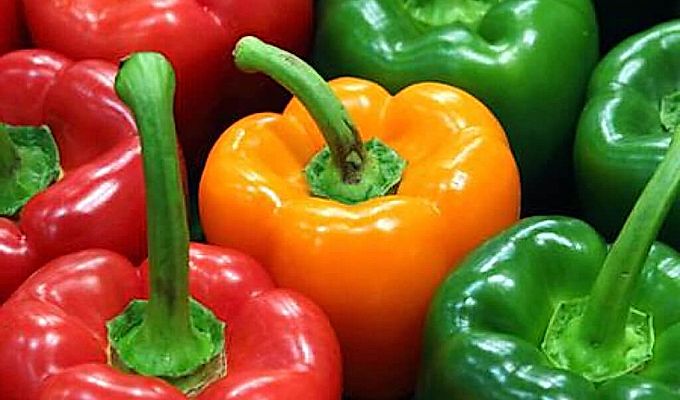
 Many people think that green, yellow and red peppers belong to different varieties. Moreover, their taste is different, and their prices differ significantly. In fact, everything is much simpler: a difference in color is just a difference in the degree of maturity of a vegetable. Yellow or orange is usually an unripe red, although there are varieties that ripen to yellow. And green is green, that is, unripe pepper. Generally, green vegetables are much cheaper because they took less time to grow, and red ones are the most expensive because the process of caring for them was more expensive.
There is an objective explanation why the taste of peppers of different colors is different. It's about the chemical composition of vegetables, which is actually slightly different. Green fruits contain a lot of chlorophyll and have a bitter taste. Despite the fact that the green vegetable is harvested at the semi-ripening stage, it contains many useful substances. It is a good source of potassium, which is essential for the regulation of blood pressure, vitamin C, which contributes to tissue repair and strengthening of the immune system, and vitamin A, which is good for eyes and lungs.
The yellow and red fruits are rich in lutein and beta-carotene. As they ripen, their composition increases the amount of hexenal and hexanol, which give the vegetables a sweetish fruity flavor. Red pepper contains more lycopene than other varieties, which protects against cancer, as well as zeaxanthin and lutein, which are good for the eyes. In addition, it holds the record for vitamin A.
Since yellow and orange peppers are between green and red in ripeness, this fact affects their chemical composition, which is also something in between.
Chemical composition and nutritional characteristics
 Fresh bell peppers are about 92% water, and most of their calories come from carbohydrates. It is clear that the chemical composition of different varieties of red pepper is slightly different, but still the benefits for the body are almost the same for everyone.
In particular, the carbohydrates in this vegetable are mainly simple sugars (glucose, fructose), which also give ripe fruits a sweetish taste. Pepper is a good source of fiber and a leader in some vitamins. One medium-sized vegetable contains more than 150% of the daily value of vitamin C, making this fruit one of the best sources of ascorbic acid. Vitamins of group B in the chemical composition of the fruit are presented in almost complete composition. In particular, bell peppers can be seen as a source of vitamin B6, which is important for the formation of red blood cells, and folic acid (vitamin B9), an essential nutrient for expectant mothers. Different varieties of bell peppers are rich in antioxidant vitamins A and E, and red and green fruits also contain potassium, which is beneficial for healthy bones and good blood clotting.
In addition, the Bulgarian vegetable is rich in substances with pronounced antioxidant properties. Among the most important antioxidant components, researchers name:
- Violaxanthin, an antioxidant found in abundance in yellow fruits;
- Lutein - found in large quantities in green pods, sufficient consumption of which can improve eye health;
- Quercetin, a polyphenolic substance useful in the prevention of cancer and heart disease.
- luteolin is a polyphenol known for its complex effects on the human body [2]
Most of us tend to believe that beneficial sulfur-containing substances are found only in cruciferous vegetables (such as broccoli and other types of cabbage) and in fruits of the onion family. But bell peppers can also be a valuable source of sulfur compounds. In particular, recent studies have confirmed the presence of such compounds in different varieties of Bulgarian pods, which allowed scientists to classify them as foods that improve metabolism and prevent cell mutation in the body [3]
| Components | Red pepper | Green pepper | Yellow pepper |
|---|---|---|---|
| Calorie content | 31 kcal | 20 kcal | 27 kcal |
| Water | 92 g | 94 g | 92 g |
| Cellulose | 2.1 g | 1.7 g | 0.9 g |
| Squirrels | 1 g | 0.9 g | 1 g |
| Fats | 0.3 g | 0.2 g | 0.2 g |
| Carbohydrates | 6 g | 4.6 g | 6,3 g |
| Vitamin A | 157 mcg | 18 mcg | 10 mcg |
| Vitamin C | 127.7 mg | 80.4 mg | 183.5 mg |
| Vitamin E | 1.58 mg | 0.37 mg | - |
| Vitamin K | 4.9 μg | 7.4 μg | - |
| Vitamin B1 | 0.05 mg | 0.06 mg | 0.03 mg |
| Vitamin B2 | 0.09 mg | 0.03 mg | 0.03 mg |
| Vitamin B3 | 0.98 mg | 0.48 mg | 0.89 mg |
| Vitamin B4 | 5.6 mg | 5.5 mg | - |
| Vitamin B5 | 0.32 mg | 0.1 mg | 0.17 mg |
| Vitamin B6 | 0.32 mg | 0.22 mg | 0.17 mg |
| Vitamin B9 | 46 mg | 10 mcg | 26 mcg |
| Calcium | 7 mg | 10 mg | 11 mg |
| Iron | 0.43 mg | 0.34 mg | 0.46 mg |
| Magnesium | 12 mg | 10 mg | 12 mg |
| Phosphorus | 26 mg | 20 mg | 24 mg |
| Potassium | 211 mg | 175 mg | 212 mg |
| Sodium | 4 mg | 3 mg | 2 mg |
| Zinc | 0.25 mg | 0.13 mg | 0.17 mg |
| Copper | 0.02 mg | 0.07 mg | 0.11 mg |
| Manganese | 0.11 mg | 0.12 mg | 0.12 mg |
| Selenium | 0.1 μg | - | 0.3 μg |
Health benefits
 Researchers have long proven that regular consumption of fresh fruits and vegetables has a beneficial effect on the human body, including as a prevention of the most serious diseases. But the chemical composition of different fruits is significantly different, which means that their benefits for our health are also different. Now we will find out why sweet peppers are special and what are its main advantages.
Prevents cancer
While many food products acquire antioxidant properties thanks to vitamins A, C and E, sweet peppers contain much more substances with antioxidant properties. In addition to vitamins, these pods contain an impressive list of other equally powerful antioxidants such as flavonoids, carotenoids and organic acids. By the way, after analyzing the composition of antioxidant substances in different groups of vegetables, the researchers came to the conclusion that bell peppers contain a unique set of antioxidants, which is repeated only in tomatoes [4] [5]
Improves eye health
Among the most common visual impairments, ophthalmologists name cataracts and macular degeneration of the eyes, which usually affect older people. However, proper nutrition can significantly slow down and even prevent the onset of disease. Scientists have found more than three dozen different types of carotenoids in sweet peppers, including alpha-carotene, beta-carotene, lycopene, lutein, zeaxanthin, and cryptoxanthin. These substances not only give vegetables their bright color, but can also significantly improve eye health. In other words, if you want to protect yourself from ophthalmological problems, then you should make friends with sweet pepper.
Prevents anemia
Insufficient iron intake is the cause of anemia. And Bulgarian vegetables will help to overcome this disease. Firstly, they are a real storehouse of iron, and secondly, vegetables are rich in vitamin C, which improves the absorption of iron. For this reason, experts advise serving fresh bell peppers as often as possible as a garnish for meat, and also do not forget about these bright pods, using spinach rich in iron.
Strengthens the immune system
 This vegetable is a treasure trove of vitamins and minerals important for health. Vitamin C alone in fruits contains almost one and a half daily norms [6]
Improves mood and regulates sleep
Vitamin B6 is the best defense against depressive mood and insomnia. Once in the body, it contributes to the production of serotonin and norepinephrine, chemicals responsible for good mood. Can't sleep for a long time at night? Eat bell peppers! Vitamin B6 also contributes to the production of melatonin in the body, a substance that helps to adjust the biological clock.
Promotes weight loss
100 grams of sugary pods are ridiculously low in calories and almost no fat. This is great news for people looking to lose weight. In this case, bell peppers, rich in useful minerals and vitamins, are an ideal product for a low-calorie snack.
Other benefits
In addition to the benefits already mentioned, bell peppers have the ability to remove toxins from the body, regulate blood pressure and maintain muscle health. Regular consumption of this vegetable helps prevent respiratory ailments, treat gastrointestinal disorders, diarrhea, and dyspepsia. In addition, sweet pepper juice is believed to be beneficial for the treatment of sore throats and nosebleeds, has the ability to lower cholesterol levels and have anti-inflammatory effects. Eating these fruits will help strengthen blood vessels, prevent thrombosis and atherosclerosis, and improve the overall well-being of people with diabetes mellitus [7]
Sweet pepper is useful for people with insufficient secretion of gastric juice, for osteoporosis, for nervous disorders, and also as a natural antispasmodic.
Benefits for hair, skin and nails
- Coronaviruses: SARS-CoV-2 (COVID-19)
- Antibiotics for the prevention and treatment of COVID-19: how effective are
- The most common "office" diseases
- Does vodka kill coronavirus
- How to stay alive on our roads?
Everyone dreams of beautiful and healthy hair. But unhealthy diet, poor ecology and disease can cause thinning, hair loss and sectioning, and dandruff. Bell pepper improves blood circulation, which has a beneficial effect on the scalp and accelerates the growth of new hair. In addition, pepper contains many substances that help strengthen hair and nails.
The vibrant Bulgarian fruits contain huge reserves of vitamin C, which aids in the production of collagen in the body. The elasticity and freshness of the skin depends on this substance. Also, do not forget about the huge list of antioxidants, as they are known to be the worst enemies of wrinkles and early aging. Juice of green peppers and carrots will help cleanse your face from age spots. Bell peppers are a good source of vitamin E, which is essential for skin health. If you want to keep your skin fresh for a long time, and make your hair strong and shiny, then there should always be a place for fresh pepper in the diet.
Possible side effects
Bell peppers are one of the ten fruits that are most likely to contain high levels of pesticides. Doctors say that eating such a product can be very dangerous. In addition, there are a number of diseases in which you should not eat Bulgarian fruits, all the more overly indulge in them. Although sweet peppers taste more delicate than their pungent relatives, gastroenterologists still do not recommend this product to people with high stomach acidity, gastritis and peptic ulcer disease. Also, bell pepper falls into the "black list" of products for people with hypertension, coronary heart disease, arrhythmia and tachycardia, liver and kidney disease (especially in the acute stage), as well as colitis and bowel disorders.
How to choose and store correctly
When buying bell peppers in a store or market, it is important to remember that ripe and fresh vegetables contain the maximum amount of nutrients. Therefore, you should choose fruits with a deep bright color, not sluggish, without spots and rot. The stalk should be green and fresh. Ripe bell peppers should be quite heavy, but if the vegetable is very light, this means that it has already begun to dry out. But the shape of the fruit does not affect its nutritional characteristics.
Despite the fact that bell peppers are available in supermarkets throughout the year, most of the beneficial substances are found in fruits harvested in summer or early autumn.
 By the way, scientists recently determined that bell peppers should be washed only in cold water - under the influence of hot water, some antioxidants are destroyed.
Ripe fruits should not be stored for too long. Experts say that already 10 days after full maturation, bell peppers lose almost 15% of vitamin C, and after 20 days, the loss increases to 25%. But not fully ripe vegetables during storage, on the contrary, will continue to ripen, and the amount of vitamin C in them will increase.
It is better to store the vegetable in the refrigerator (the optimal time is up to 7-10 days), since under the influence of light and heat, some useful substances contained in the fruits lose their properties. In addition, the vegetable is suitable for storage in the freezer.
What to cook with sweet pepper
Bell peppers are one of the most popular vegetables in the world. It is used raw, grilled, added to soups and stews, cooked with meat and fish, stuffed, and added to salads. This type of pepper goes well with almost all vegetables, including potatoes, carrots, eggplant, green beans, tomatoes, garlic, and onions. Almost all spices and herbs are suitable for it. Bulgarian fruits are in harmony with chicken, fish and seafood, which makes it possible to add the vegetable to meat and fish salads. The combination of sweet pepper with meat, nuts, cheddar cheese and dried fruits perfectly emphasizes the taste of each other. By the way, such a set of products is traditionally used for stuffing fresh peppers, which are then boiled or baked. In Chinese cuisine, finely chopped bell peppers are added to traditional noodles, while Italians are added to pasta and pizza. For grilled vegetables, it is good to serve the sauce from cheese and olive oil.
And if you are reading these lines, then now you already know exactly how to choose the right bell pepper in order to pamper yourself and your loved ones with the most delicious and healthy vegetable. Moreover, now you know almost everything about the benefits of Bulgarian fruits.
Things to know (Q&A)
Is bell pepper and capsicum same?
Capsicum or bell pepper: are they the same ? Capsicums are also known as bell peppers in America or just peppers in the UK. In the intermediate stage of ripening, capsicums are yellow or orange and are significantly sweeter than the green version.
Is it OK to eat bell peppers everyday?
If you like peppers, enjoy them as much as you like— you can eat them every day or even at every meal , says Rizzo. However, it's important to eat everything in moderation. According to the USDA, one serving of a raw bell pepper is 3.5 ounces (100 grams), which is about half of a bell pepper.
What is a bell pepper in Australia?
The large, mild form is called bell pepper, or by color or both (green pepper, green bell pepper, red bell pepper, etc.) in North America and South Africa, sweet pepper or simply pepper in the United Kingdom, Ireland and Malaysia, but typically called capsicum in Australia, India, New Zealand and Singapore.
Are bell peppers bad for you?
Red, Orange, and Yellow Bell Peppers are full of great health benefits —they're packed with vitamins and low in calories! They are an excellent source of vitamin A, vitamin C, and potassium. Bell Peppers also contain a healthy dose of fiber, folate, and iron.
Why is capsicum called bell pepper?
Bell Pepper
The vegetable has a bell-like shape , which is why the word “bell” got associated with it. As regards "pepper", even though capsicum has no biological relationship with pepper, it shares a similar spicy taste and therefore the name stuc
Are all peppers bell peppers?
Do all of the bell peppers in the produce aisle come from the same plant? Short answer: no . “Although it *is* true that green peppers are just unripe regular ones, yellow, orange and red peppers are all genetically different varieties at full maturity,” ethnobotanist James Wong clarified in a Twitter thread
Is it good to eat a lot of bell peppers?
Peppers have a lot going for them. They're low in calories and are loaded with good nutrition. All varieties are excellent sources of vitamins A and C, potassium, folic acid, and fiber. Plus, the spicy ones liven up bland food , making it more satisfying.
Is it bad to eat a lot of peppers?
Gastrointestinal issues: According to National Capitol Poison Control, eating too many hot peppers can result in nausea, vomiting, abdominal pain and diarrhea . You may feel a worsening burning sensation in your mouth and throat as you eat more of the peppers.
What is the difference between a bell pepper and a capsicum?
Is there any difference between bell peppers and capsicum? No, there is actually no difference between the two as a bell pepper is just another capsicum . … In Britain, it is called red pepper or green pepper or chili pepper. In the U.S. and Canada, the large capsicum form is known as a bell pepper.
Why do Australians call a pepper a capsicum?
“Try ordering water in the US with an Aussie accent,” another said. Why do Australians say capsicum? Australia, New Zealand, India and Pakistan all call the vegetable capsicum in reference to its scientific name, capsicum annum
Is green pepper the same as bell pepper?
Green peppers are unripe bell peppers , while the others are all ripe, with the color variation based on cultivar selection. Because they are unripe, green peppers are less sweet and slightly more bitter than yellow, orange, or red peppers, which all have a rather similar hot tast
What is a substitute for bell peppers?
Some of the best alternatives are other peppers and other vegetable types and spices:
- Poblano Peppers. Poblano peppers are considered to be the best bell pepper substitute. …
- Anaheim Peppers. …
- Jalapenos. …
- Sichuan Peppers. …
- Pimiento. …
- Cubanelle. …
- Red, Yellow, or Orange Bell Peppers.
Is it bad to eat a lot of bell peppers?
When eaten in moderation, bell peppers do not have any adverse health effects . However, they may trigger allergies in some people.
Why you should not eat bell peppers?
Peppers contain the alkaloid and solanine, which can disrupt nerve function and lead to twitching, convulsing and trembling. Bell peppers also pose a problem for joint health . This vegetable is also not recommended for people with rheumatoid arthritis, osteoarthritis or people with any joint issues.
What are the side effects of bell peppers?
Side effects of capsicum include:
- bleeding.
- local burning sensation.
- skin irritation.
- cough.
- flushing.
- stomach flu.
- abdominal irritation.
- liver damage.