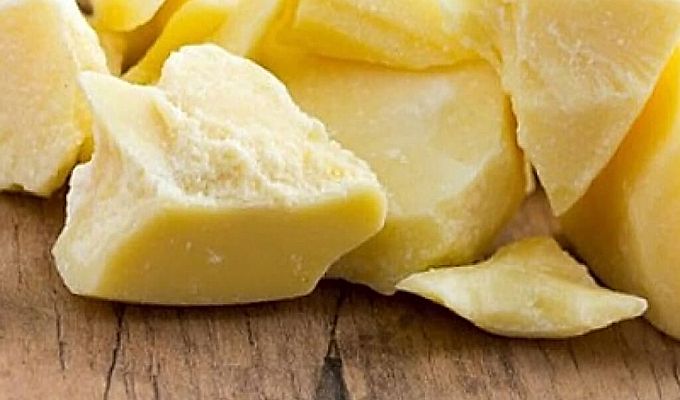
 Cocoa butter is an essential product for sweet lovers. High-quality chocolate, hot drinks and thermally processed desserts are made from it. For many, cocoa butter has an analogy with chocolate butter, which we loved to get for our morning tea. However, a cocoa product is a yellowish-white fat clot that exudes a pleasant aroma, filling the entire room with it.
The scope of application of the product does not end with the preparation of confectionery. It is used in cosmetology, perfumery, traditional and alternative medicine. Moreover, suppositories (pain relieving and laxative suppositories) are made from the oil.
The product is truly multifaceted and ambiguous. Let's figure out what cocoa butter is and how is it useful to the modern consumer?
- general characteristics
- Chemical composition
- Beneficial features
- Medical use
- Application in cosmetology
- Cooking use
- How to choose an ingredient
General characteristics
In ancient times, cocoa was considered a product exclusively for the wealthy. While the aristocracy enjoyed the delicate taste and complained of noticeable notes of bitterness, the working class collected grains, ground them into powder / butter and puzzled over the specifics of the preparation. Today everything is much simpler and more accessible. You don't have to be a capitalist to afford cocoa butter. Each manufacturer is happy to offer an inexhaustible assortment of cocoa products, ranging from real 90% chocolate to candles for stomach pain.
Cocoa butter is the fat that is squeezed out of the grated grains of the chocolate tree. In appearance, the product does not differ in any way from the usual butter: the same bar of yellowish-white hue, the consistency of which depends on the ambient temperature (it retains a solid structure up to + 25 ° C, and begins to melt at 33-35 ° C). Two types of oil are produced: natural and deodorized. The deodorized product undergoes additional processing and is used in all kinds of industries as an industrial component. The natural product is most often used in cooking as a base for desserts, appetizers and main dishes.
How the product is obtained
The main source of grains and, accordingly, cocoa butter is the chocolate tree. It is an evergreen tree (genus Theobroma) that grows in South Africa and is cultivated in all countries with tropical climates.
Historical fact: the name of the genus Theobroma was given to the plants by the Swedish physician and naturalist Carl Linnaeus, but the specific epithet “cocoa” is rooted in the language of the Aztecs. In the Slavic group of languages, in order to reduce the percentage of borrowings, the plant was named the chocolate tree, but the modern language is more plastic and uses the generally accepted form of "cocoa".
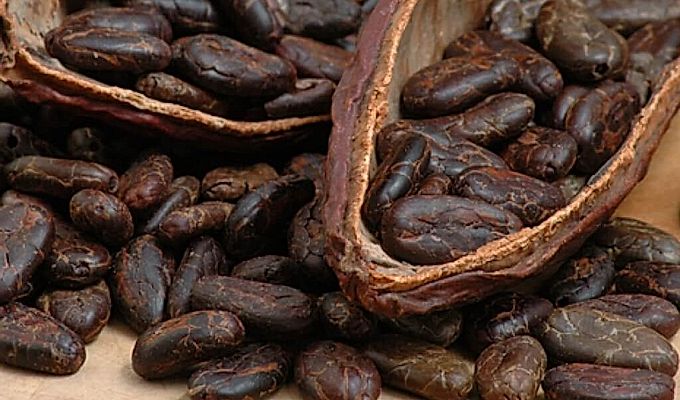 The fruits are plucked from trees, divided in half and packed in special containers. A few days later, the fermentation process (fermentation) begins in the containers. The pulp of the fruit of the chocolate tree contains a high concentration of vegetable sugar. It begins to decompose into its constituent components like ethyl alcohol and carbon dioxide. The fruit begins to "ferment", the temperature of the pulp increases to 50 ° C. In about 10 days, the seeds lose their natural bitterness, change their color to a darker one and acquire a noble chocolate aroma with subtle, fresh plant notes. The beans are dried, packaged in the necessary containers and delivered to the points of sale or for further processing [1]
The beans are passed through special heated filters. In these filters, they turn into a dense, dense mass, and the constant high temperature does not allow the product to curdle or harden excessively. After processing, the oil is poured into molds and transported for sale.
Chemical composition [2] [3]
| Calorie content | 884 kcal |
| Squirrels | 0 g |
| Fats | 100 g |
| Carbohydrates | 0 g |
| Alimentary fiber | 0 g |
| Water | 0.1 g |
| Tocopherol (E) | 1.8 |
| Phylloquinone (C) | 24.7 |
| Choline (B4) | 0.3 |
| Saturated fat | 59.7 |
| Myristic acid | 0.1 |
| Palmintic acid | 25.4 |
| Stearic acid | 33.2 |
| Monounsaturated fat | 32.9 |
| Palmitileic acid | 0.2 |
| Oleic acid | 32.6 |
| Polyunsaturated fats | 3 |
| Linoleic acid | 2.8 |
| Omega-3 | 0.1 |
Beneficial features
Effects on heart function
 Theobroma is translated from Latin as “food of the gods”. Cocoa butter contains a high concentration of theobromines - insoluble crystals that are beneficial to the human body. Even in ancient times, before the beginning of the Christian chronology, our ancestors used theobromines for the treatment of bronchial pathologies. Today, theobromine is widely used in the pharmaceutical industry and is even added to toothpaste. The component prevents the formation of blood clots, protects the cardiovascular system and the brain from spasms, has a diuretic effect [4]
Our ancestors loved to combine cocoa with chili peppers (and not white sugar, as is customary now) and use the resulting mixture as a cure for infectious and bacteriological diseases. Another popular medicinal ingredient is cottonseed oil. Forty centuries ago, it was mixed with cocoa butter and treated all known diseases, from skin diseases to complex gastrointestinal pathologies.
Due to the presence of magnesium, sulfur and anandamide, the product invigorates and stimulates the production of endorphins.
When endorphin levels are low, a person feels deeply unhappy and feels unreasonable physiological depression.
Cocoa butter increases the level of endorphins, lifts the spirit and mood, saves from depression, anxiety and anxiety. Invigorating coffee has a similar effect on humans. However, the negative effects of excessive coffee consumption are much greater than the positive effects. Moreover, the dose of caffeine in cocoa does not exceed 0.2%, which is a significant advantage both for the nervous system and for the physiological state in general.
Strengthening the immune system, vision, other organs
Despite the fact that raw grains contain a high concentration of antioxidants / beneficial elements, processed oil also contains the lion's share of vital substances [5]
- strengthening the protective function of the immune system;
- "Cleaning" and restoration of the dermis;
- normalization of the organs of vision [6]
Mesoamerican peoples used cocoa beans as currency. This shows how valuable and significant product our ancestors considered the chocolate tree.
Normalization of acid-base balance
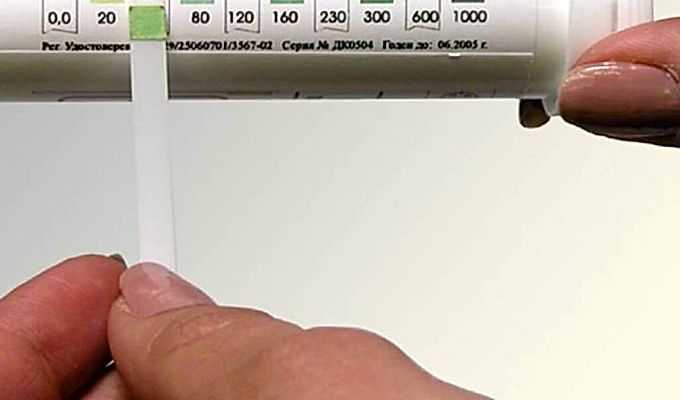 Acid-base balance affects human health. The characteristic of this balance is the pH value - pH:
- 7.0 is a neutral environment;
- from 0 to 6.9 - acidic environment;
- from 7.1 to 14.0 - alkaline medium.
Research shows that most people have a pH bias towards the acid side.
To find out your level of acid-base balance, you can consult a doctor or take a special test at home (available at the pharmacy).
What is the danger of shifting to the acidic side? According to the German biochemist and Nobel Prize winner Otto Warburg, only an acidic organism develops diseases, and it is such an organism that is most susceptible to harmful pathological conditions.
An excess of acid, just like a deficiency, provokes disease. You can restore the acid-base balance with the help of special therapy. However, such treatment only brings short-term results and fights the symptoms, not the cause of the imbalance. To normalize the pH level, you need to follow only 3 rules: eat right, drink filtered water, and avoid stress.
Cocoa (and products made from it) is classified as oxidizing products. They should make up no more than 40% of the daily diet. If the balance is already shifted to the acid side, then the level of oxidizing products should not exceed 20%.
If you have problems with pH, do not get carried away with cocoa-containing products and be sure to get a doctor's examination. The specialist will give basic nutritional recommendations and establish the acceptable dosages for each food component.
Medical use
Cocoa butter extract is used to make suppositories. These are laxatives and pain relieving suppositories for local use. The extract is also used in products for the regeneration of the skin: it helps the dermis to recover faster and creates a special film that prevents pathogenic microflora from developing.
 The product is used to treat:
- colds;
- infectious skin lesions;
- excessive dryness of the skin and mucous membranes;
- respiratory pathologies;
- regulation of blood cholesterol levels (due to fatty acids) [7]
Application in cosmetology
The degree of the butter's medicinal effect is somewhere in the middle between unrefined beans and cocoa powder. Aromatic vegetable fat, in addition to medical and culinary characteristics, is also used in cosmetology. The product improves blood circulation, accelerates the regeneration of the dermis, promotes its deep nutrition and saturation [8]
However, the broad spectrum of action of cocoa butter is not beneficial for everyone. Let's start with the concept of comedogenicity.
Comedogenicity is the degree to which a cosmetic product affects the skin. It shows how a particular product is able to pollute, clog pores, interfering with the removal of toxins and harmful substances through the skin.
Dermatologist James E. Fulton created a special list in which he entered foods by the degree of comedogenicity. Cocoa butter turned out to be in the first positions (those among the most comedogenic components). The product can provoke the so-called cosmetic acne in those with oily or combination skin prone to breakouts [9]
What you need to know about the use of oil in your care products:
Cooking use
- Coronaviruses: SARS-CoV-2 (COVID-19)
- Antibiotics for the prevention and treatment of COVID-19: how effective are
- The most common "office" diseases
- Does vodka kill coronavirus
- How to stay alive on our roads?
Cocoa butter is used to make the most beloved and best-selling sweetness in the world - chocolate. The butter is melted in a water bath, mixed with carob / sugar / honey / cocoa powder / nuts / spices / vanilla / dried fruits and packed in colorful packages to attract customers.
When choosing a chocolate, be sure to check the composition. Unscrupulous manufacturers often replace cocoa butter with cheaper ingredients such as carcinogenic fat or other substitutes [10] [11]
The product is suitable for the role of an ideal confectionery fat: biscuits, cakes, puff pastries and many other joys are prepared on its basis. In salty / spicy dishes, cocoa butter is not a frequent guest. The smell, texture and properties of the product are exclusively suitable for the confectionery industry.
How to choose an ingredient
Choose the least processed oil that retains the highest concentration of nutrients. Just look at the composition: the fewer ingredients, the more valuable and quality the product is. Cocoa costs slightly more than traditional margarine or regular butter. Do not save money, but choose the highest quality and useful product.
The color of the oil should be creamy yellow, and the smell should be bright, rich, with a slight tart note. The oil can be stored both in the refrigerator and on regular store shelves. The storage method depends on the manufacturer and the container / container chosen by him.
Things to know (Q&A)
What does cacao butter taste like?
What Does Cacao Butter Taste Like? Cacao butter has a very mild flavor, and a rich aroma of chocolate . Please keep in mind that cacao butter is best used as an ingredient, and not meant to be eaten on its own.
What does cacao butter do?
Cocoa butter is high in fatty acids, which is why it's often touted for its ability to hydrate and nourish the skin and improve elasticity . The fat in cocoa butter forms a protective barrier over skin to hold in moisture.
Does cacao butter taste good?
1. Cacao Butter has very little chocolate flavor . Interestingly, Cacao Butter's chocolaty aroma is greater than the flavor it actually provides, which is only a hint. It serves well as a background flavor, and mostly adds richness to recipe
Can cacao butter substitute butter?
Cocoa butter is used in the making of chocolate and is another healthy fat loaded with antioxidants and polyphenols. … You can use it when baking to replace regular butter
What is the difference between cacao butter and cocoa butter?
Cocoa butter vs cacao butter
Cacao butter is the pure, cold-pressed oil of the cacao bean. Raw cacao butter production doesn't exceed 46 degrees Celcius, whilst cocoa butter might undergo some heating during the pressing process. Raw cacao butter is more nutrient dense but otherwise, they are totally interchangeable
Can you eat cacao butter?
But you can also eat cacao butter to reap its many health benefits. … While cocoa butter does have hints of chocolate flavor, the texture is more like coconut butter and coconut oil combined. It's also typically used as a dairy-free substitute for grass-fed butte
What are the benefits of cacao butter?
Health Benefits
Cacao butter is very healthy for the human body if consumed in moderation. It's considered a heart-healthy fat as it's high in monounsaturated and polyunsaturated fats. Healthy fats not only support your brain health, but they also boost your mood and can even help lower blood cholesterol levels.
What does cacao do for your skin?
Skin Benefits of Raw Cacao:
Extremely high in antioxidants , which help protect your cells from oxidation and aging. … Circulation stimulates new blood flow to the surface of the skin, keeping it healthy and glowing. A potent anti-inflammatory, it soothes redness and blemishes, improving the skin's complexion.
How do you eat cacao butter?
How to use cacao butter
- Add it to Bulletproof Coffee. Cacao butter can't replace all the benefits of grass-fed butter in Bulletproof Coffee, but it makes a delicious enhancement. …
- Make rich sugar-free chocolates. …
- Add white chocolate flavor to desserts. …
- Supercharge your smoothies. …
- Give ice cream a chocolatey upgrade.
Is cocoa butter tasty?
Cocoa butter has a mildly sweet flavor and aroma that is reminiscent of chocolate; the scent is stronger than the taste. It is never eaten on its own but only used as an ingredient in recipes. The texture of coconut butter is like coconut oil and coconut butter combine
Is cacao butter bad for you?
1) Cocoa Butter Is a Healthy Fat .
Full of fatty acids like oleic acid, palmitic acid, and stearic acid, cocoa butter is full of antioxidants that fight free radicals. These antioxidants also ensure a long shelf lif