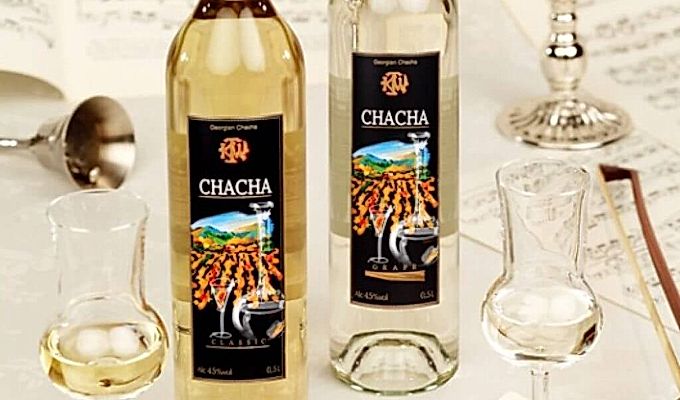
 Chacha occupies a special place among the huge variety of alcoholic beverages. For the population of Georgia, this product is a matter of special pride - just like cognac for the French, and sherry for the Spaniards.
The very name "chacha" is translated from Georgian as "grape pomace". In the post-Soviet space, this drink is often called "Georgian vodka", but in fact, this definition does not correspond to reality. Chacha is a grape brandy made by fermentation from grapes and grape pomace [1] cherry plums, tangerines or figs.
Approximate analogues of this drink are Italian grappa, as well as rakia and Chilean pisco, which are popular in the Balkans. The strength of chacha varies from 50 to 70%.
History and manufacturing method
- History and manufacturing method
- Standards and patents
- Caloric content and chemical composition
- Useful properties of the product
- How to use the drink correctly
- How to make a drink at home
- Cooking use
- Harm and contraindications
- Interesting Facts
Chacha can rightfully claim to be one of the oldest alcoholic beverages, which are prepared by distillation [2].
It is noteworthy that this product is prepared mainly at home, this drink is produced industrially in not too large volumes. This is explained by the fact that almost every Georgian family has its own recipe for making "Georgian brandy", which is passed down from generation to generation [3]
Chacha is prepared as follows. Grape pomace is placed in qvevri - special ceramic vessels resembling amphorae, but without handles. There they are stored during the winter months, and in the spring they are removed from the qvevri and distilled using a special device. To do this, place a huge copper pot on the fire, close it with a lid with a spout, and cover the gaps with a mixture of soot and earth. A pipe is connected to the spout, which passes through a vessel with cold water, and the junction is covered with a dough based on corn flour, and then tied with a cloth [4]
Different regions of the country have their own rules for distilling the drink. Thus, Western Georgia cannot boast of large areas of vineyards and a significant harvest. Double-distilled chacha is prepared here, focusing not so much on the taste of the drink as on its strength. In some regions, for example, in Samegrelo and Guria, even triple distillation is carried out. At the same time, in Kakheti, which boasts gigantic vineyards, wine is produced in huge volumes, and, therefore, a lot of grape pomace remains. Double distillation is not carried out here, considering that it is an absolutely unnecessary waste of time and effort. In order to improve the chacha obtained as a result of a single distillation, the condensate fractions are separated here, moving the first and the last to another container and using only the main part.
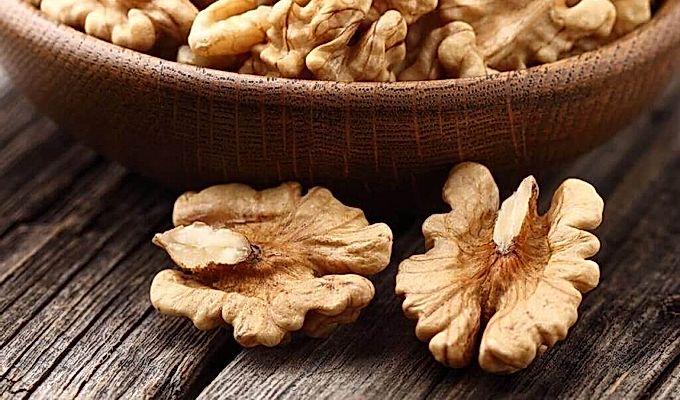 The aging of this product is also a real art. There are several popular recipes to improve the taste of the drink during aging. For example, many gourmets prefer chacha aged in mulberry wood barrels. This drink has a milder taste and delicate aroma. Sometimes "Georgian brandy" is given a more noble color by adding walnut partitions to it. Also, some add aromatic herbs to the product.
Standards and patents
Chacha is not a simple drink, but with a "passport", that is, with a patent. On December 13, 2011, the National Intellectual Property Center of Georgia Sakpatenti satisfied the application filed by the Ministry of Agriculture and registered the chacha [5]
In addition, the patent introduces a number of restrictions as to which raw materials can be used to manufacture the product. This drink can be produced only from grapes grown in Abkhazia, Adjara, Guria, Kakheti, Kartli, Samegrelo, Racha, Imereti, Lechkhumi and Meskheti. At the same time, it is allowed to distill chacha outside the region where the grapes used as raw materials were harvested.
The document also specifies the organoleptic properties of chacha. It should be transparent and colorless, with very bright taste and aroma characteristics. In the event that the drink has been well aged, a color ranging from pale golden to dark straw is allowed.
It is noted that the minimum alcohol content in the drink should be 40%, and the volatile content should be at least 1.4 g per liter of absolute alcohol.
The patent states that natural flavors can be added to the drink, however, this must be specified on the label. According to the rules, aging of chacha is allowed in wooden vessels made of oak or other wood [6]
There are also a number of restrictions. So, it is not allowed to add any alcohol to the drink, except for that which was obtained as a result of the distillation of grape pomace. It is also forbidden to artificially increase the sugar content in the pomace, which will be used to make chacha. And finally, the only raw material used for making authentic Georgian chacha is grape pomace. Drinks made from persimmons, tangerines or other fruits cannot bear this name.
Caloric content and chemical composition
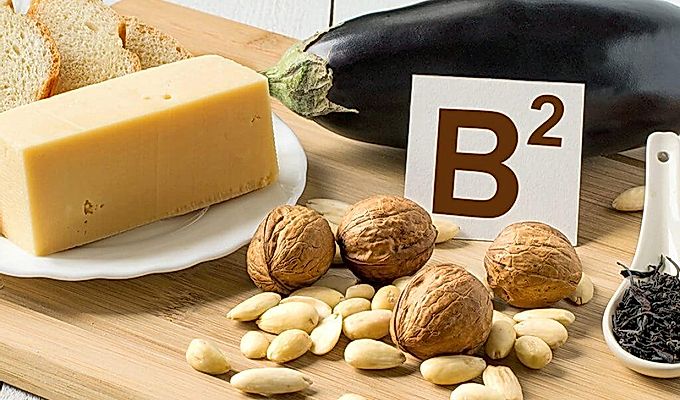 Chacha is a drink with a fairly high energy value. It is 225 kcal per 100 g of product [7] proteins, the same amount of fat and 0.5 g of carbohydrates.
This drink boasts a very impressive chemical composition. First of all, chacha is rich in vitamin B2 (aka riboflavin). This is the most important substance, which is extremely necessary for the assimilation of iron entering the body along with food. In addition, riboflavin is responsible for the condition of the mucous membranes of the stomach and intestines, as well as the oral cavity, and promotes the healing of microtraumas. Vitamin also contributes to the functioning of the thyroid gland, helps to fight skin diseases (eczema, acne, dermatitis).
Chacha also contains vitamin PP, known as niacin. It effectively dilates blood vessels, preventing their spasm, helps to assimilate vegetable protein that comes with food, and is effective in lowering the level of "bad" cholesterol. Also, without niacin, the synthesis of gastric juice and a number of digestive enzymes is impossible.
As for minerals, potassium is present in chacha, which is critical for normalizing heart rate and supplying oxygen to brain tissues. This element has antihistaminic properties and is involved in maintaining the water balance in the body.
Calcium boasts anti-inflammatory properties and is also responsible for the health of bones and teeth. In addition, it activates a number of hormones and enzymes.
Magnesium is essential for the normal functioning of the nervous system. This element helps with chronic fatigue and emotional overload.
Iron plays the "first violin" in the formation of blood hemoglobin, it is necessary to increase the body's resistance. It is also involved in the synthesis of thyroid hormones.
Cognitive activity is impossible without phosphorus. In addition, it takes part in protein synthesis and energy metabolism.
Sodium is an integral element of water-salt metabolism. It normalizes digestion by participating in the production of digestive enzymes and gastric juice, and also prevents vascular spasms.
Useful properties of the product
 Chacha is a real storehouse of beneficial properties due to the chemical composition of the grape pomace from which this product is prepared.
In Georgia, chacha is known as a drink of longevity [8]
- lowering the level of "bad" cholesterol and preventing atherosclerosis;
- reducing the risk of developing diseases of the cardiovascular system;
- prevention of oncological diseases;
- acceleration of metabolic processes;
- antiviral and anti-inflammatory properties;
- improving digestion, getting rid of edema and "unloading" the kidneys.
We would like to emphasize once again that all these useful properties "Georgian brandy" will show only on condition of reasonable consumption.
How to use the drink correctly
Chacha is a drink that is usually consumed in Georgia strictly according to the rules [9]
As a rule, this drink is not diluted, despite the fact that it is quite strong. Nevertheless, those who are afraid to consume "Georgian brandy" in its pure form use it to make cocktails. Chacha goes well with ice and fruit juices, and in Abkhazia, chacha is washed down with dry wine.
Please note that it is categorically not recommended to drink this drink with water, including mineral water, as well as carbonated drinks, because it is fraught with rapid and strong intoxication.
They eat chacha without fail, since this drink, despite its deceptive softness, is very strong. In the western regions of Georgia, sweets, fruits or hard cheeses are served with this alcohol, and in the East it is customary to eat chacha with pickles. Also, "Georgian brandy" goes well with almost all dishes of the national cuisine.
How to make a drink at home
 Many are wondering how to cook real Georgian chacha at home. There are many recipes [10]
Pour the pomace into a saucepan and add sugar. In the event that the grapes were not treated with soap or powder, bacteria necessary for fermentation remained on its surface.
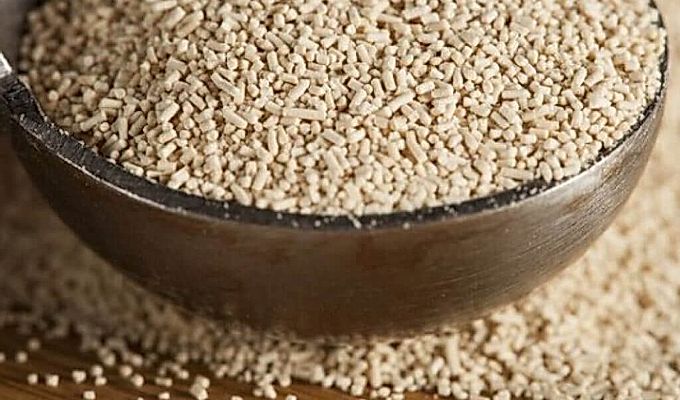
If the berries were treated with drugs that could kill bacteria, yeast will have to be used. Please note that we are not talking about bakery, but about special dry wine yeast. The proportion is 5-10 g per 10 liters of pulp.
Pour the contents of the pot with water at a temperature of 20-25 degrees. In the event that the room temperature is above 20 degrees, there is no need to carry out additional heating of the room to start fermentation. If, in the room where the container is located, there is a significant difference between day and night temperatures, you will have to artificially maintain the same temperature regime around the clock.
The fermentation process using yeast will take at least ten days, if yeast was not used, then the minimum period is a month. The contents of the pan must be constantly mixed. In addition, at least once a day you will have to open the pan and lower the “cap” of the pulp that has risen to the surface into the liquid, otherwise mold may appear on it.
As soon as gas evolution stops, you can proceed to the next stage - distillation. Chacha is distilled in the same way as regular moonshine. You can use either one distillation or two. After a single distillation, the drink will have a rich grape aroma. Double distillation will cleanse chacha from fusel oils and their unpleasant odor.
Pour the finished chacha into bottles. Store the drink in a place protected from sunlight at a temperature of 15 to 20 degrees. Approximately a month after making the chacha, it will “ripen” and its aroma and taste will finally be formed.
Mention should also be made of the methods for purifying chacha, with the help of which freshly distilled moonshine can get rid of the excessively high strength and fusel smell. Thus, pine nuts can be considered one of the best purifiers for chacha. Pour a handful of kernels into a liter of chacha, and after two weeks filter the drink, discarding the nuts first.
Another option for cleaning chacha involves the use of activated carbon. Add 50 grams of charcoal per liter to the drink. Stir the drink regularly for two weeks, and then filter through regular cotton wool.
- Coronaviruses: SARS-CoV-2 (COVID-19)
- Antibiotics for the prevention and treatment of COVID-19: how effective are
- The most common "office" diseases
- Does vodka kill coronavirus
- How to stay alive on our roads?
Cooking use
As noted above, chacha is usually consumed neat, but it can also be used to make cocktails.
So, for example, you can mix 50 ml of chacha, 45 ml of cherry liqueur and add 30 ml of freshly squeezed lemon juice. The mixture is poured into a glass pre-filled with ice and 5 g of sugar is added. The result is the popular Tbilisi fix cocktail.
By mixing chacha, peach liqueur and lemon juice in a shaker in a ratio of 60 ml-20 ml-10 ml, you will get an amazingly aromatic cocktail called "Georgian Peach". And for lovers of strong alcohol, "Sakartvelo" is suitable - a cocktail of chacha, red vermouth and lemon vodka (40 ml-20 ml-20 ml).
Harm and contraindications
The use of chacha should be approached responsibly - after all, it is an alcoholic drink, and quite strong. It is contraindicated for expectant mothers, nursing women, as well as children and adolescents. In addition, hypertensive patients, people with chronic diseases of the cardiovascular system, as well as those with gastrointestinal ulcers should refrain from consuming chacha.
Interesting Facts
As noted above, chacha is a real Georgian legend. Until today, in some remote regions of Georgia in villages, a festival of young wine, known as Zaodoba, is held. During the festival, all the locals present their version of chacha, after which they choose the drink of the best taste.
Chacha is one of the few alcoholic beverages that boasts a monument erected in its honor. In Batumi, there is the so-called Chacha Tower, built in 2012. This is a special facility that once a week for fifteen minutes provides the opportunity to taste the legendary drink.
There is a very original way in which it is customary in Georgia to check the quality of the finished "Georgian brandy". A finger is dipped in it, after which a lighter is brought to it. If the flame burns out, but the finger does not burn, then the drink is considered to be of high quality.