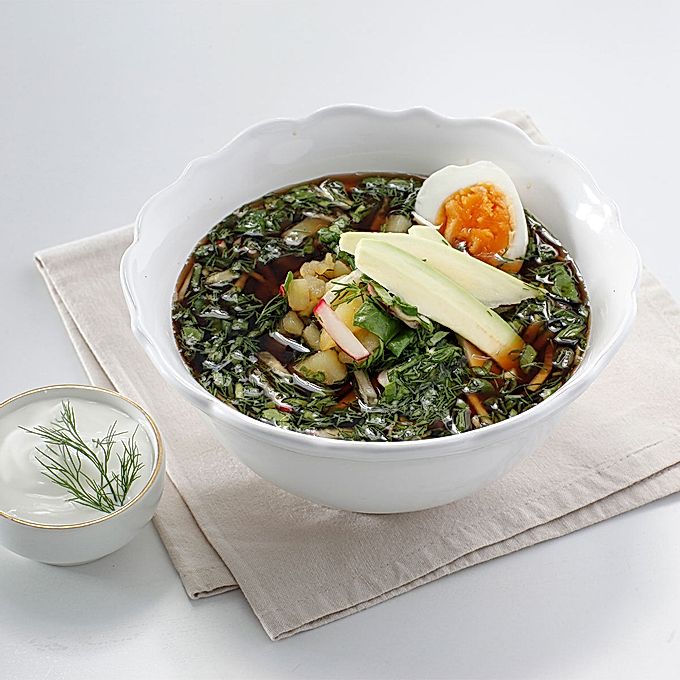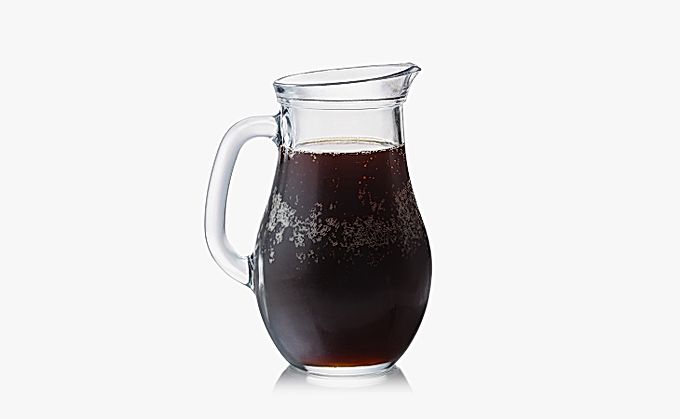
Kvass is one of the main Russian summer drinks: a mug of cold kvask will save you in the heat, and will also become an indispensable ingredient in okroshka. We found out from the chef of the Matryoshka restaurant Vlad Piskunov what bread kvass is, whether it can be hoppy and how to make kvass on breadcrumbs at home.
Kvass is one of the most ancient Russian drinks; it is mentioned in such ancient written sources as The Tale of Bygone Years, Stoglav, Velikie Cheti-Minei and Domostroy. Incredibly, many types of kvass are still brewed by amateurs, although the vast majority of old recipes are practically never used. If we summarize all types of kvass mentioned in the special literature of the late 19th - early 20th centuries, we can safely count more than a hundred different recipes. This is the bread kvass that has come down to us, albeit in a greatly simplified and abbreviated form, and its varieties - sour cabbage soup, this is put mead, and fruit, and berry, and beetroot, and even turnip kvass.
Some recipes contain hops, which suggests that
there is no clear line between kvass and beer
, on the other hand, there are quite a few hop-free beers. For example, in the Vologda region, yeast is still brewed - something in between kvass and beer.Honey kvass, or simply honeys, are subdivided into simple and intoxicated, spicy and fortified. There are also recipes that combine the components of bread, berry and honey kvass.
There are several times more variations of fruit and berry kvass than fruits and berries themselves, even from one type of raw material completely different drinks can be prepared in various ways, or you can also combine them, make apple-rowan kvass or plum-raspberry. According to the method of preparation, they are divided into actually kvass, voditsa, fizzy drinks, spikes, ciders … Separately, it is necessary to mention the voditsa, which are made from birch sap - birch trees - you certainly can't think of a more Russian drink!
Sugar kvass
For hundreds of years, Russian people not only quenched their thirst with kvass, but also cooked numerous dishes on it: okroshka, botvinya, meat in kvass, beetroot, pike.
You just need to keep in mind that only sour, most often white, bread kvass is used for cooking without any aromatic and flavoring additives.
Before it was made from
malt (usually rye), flour, water and sourdough
, now usually put on breadcrumbs. Where can a modern city man get rye malt? And there are no problems with breadcrumbs: the bread is stale, it was cut, dried in the oven and put into a large pot or canvas bag. Over the winter, so many of them will accumulate that you will not even know where to store them. The simplest rye bread crumbs are best suited for homemade kvass. It is better to cut off the crust from Borodino, Riga or any other bread with spicy toppings. You should not take products made from butter, puff pastry or dough with seeds and nuts on crackers - fermentation in this case can go according to an unplanned scenario, and the rainbow greasy film on the surface of kvass will not delight you. In general, as the people say: "And bad kvass is better than good water."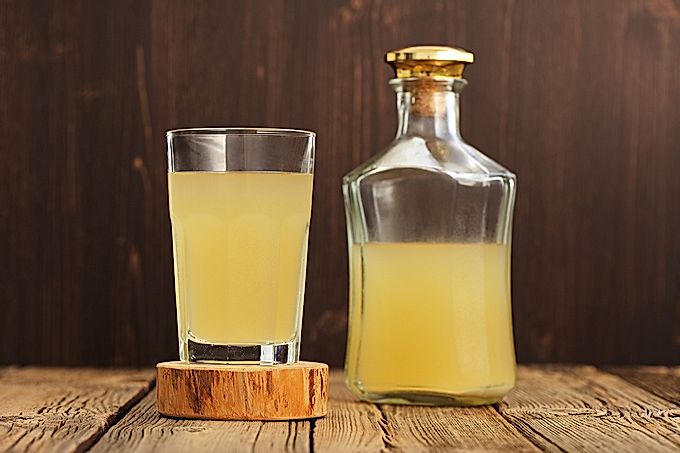
Cooking white rusk kvass
Ingredients
- Rye flour - 300 g
- Wheat flour - 200 g
- Buckwheat flour - 100 g
- Rye or wheat crackers - 500 g
- Sugar - 100 g
- Live yeast - 10 g
- Water - l
How to cook
Cooking the wort
. To do this, mix all types of flour and fill it with a liter of hot (60 degrees) water, stirring constantly so that there are no lumps.Cover the dough with a blanket and let stand for a couple of hours.
Pour the resulting dough into a wide pot or enamel pot. Cover with foil and put in an oven preheated to 120 degrees for about 3 hours. Then we lower the temperature to 90 degrees and keep it for about 10 more hours. As a result, the dough should be saccharified - to acquire a sweetish taste.
We put a jam
. Pour the resulting wort into a keg, bucket or large saucepan. Add chopped crackers and sugar.We dilute the yeast in 100 ml of warm water, feed them with a spoonful of wheat flour and let stand for half an hour. Add the "revived" sourdough to the mash.
Pour in 5 liters of warm (40 degrees) water and mix. Cover with a lid and leave at room temperature for three days.
Gently pour the fermented liquid into bottles or jars with a tight-fitting lid so as not to raise the dregs. We seal it and keep it at room temperature for a day, then put it in a refrigerator or cellar.
After 2-3 days, kvass can already be drunk, but it will reach its best taste in about 10 days.